
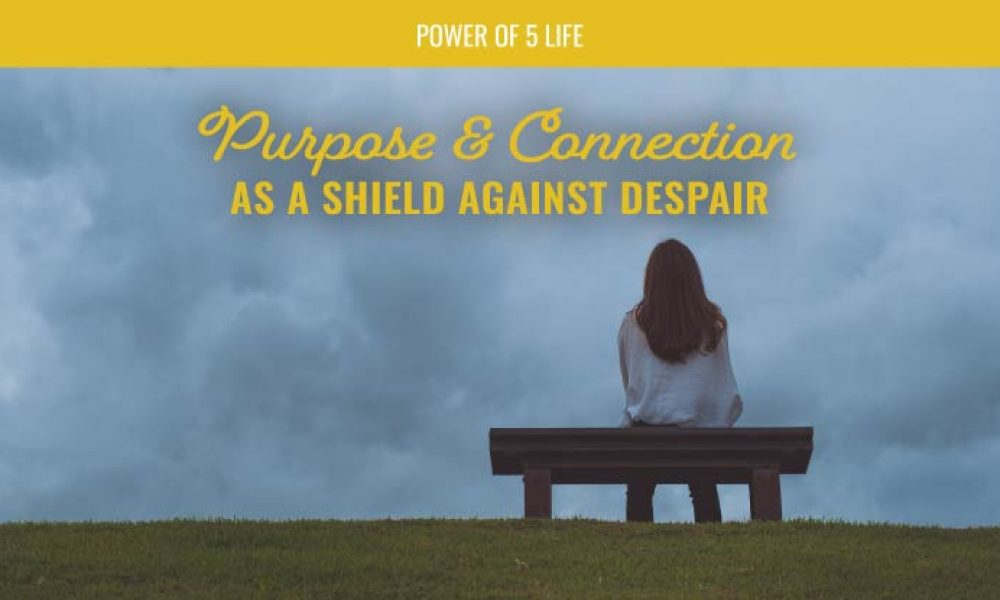
Finding Your ‘GRACE’: Purpose and Connection as a Shield Against Despair
September is National Suicide Prevention Month, providing a vital opportunity to address the quiet hazards of depression and suicide—struggling realities that affect every age group, generation, and background.
Throughout my 40-year career as an internist and geriatrician, screening and monitoring for depression was one of my most critical responsibilities. I always questioned my patients beyond standard diagnostic checklists because mental health rarely reveals itself in a simple questionnaire. From my early days in medical school, I learned the sobering realities of this crisis across the lifespan.
- Youth & Young Adults (Ages 15–24): Suicide consistently ranks among the top three leading causes of death.
- Adults (Ages 25–44): Rates remain elevated, making it the second leading cause of death in this demographic.
- Older Adults (Ages 75+): Our oldest population experiences the highest overall suicide rate of any age group, driven heavily by older men facing late-life isolation and loss.
While biological factors play a key role in depression, the psychosocial drivers—loneliness, loss of independence, and life transitions—are equally powerful. Major events like retirement, a new chronic diagnosis, the death of a spouse, or moving out of a longtime home can shatter a person’s sense of identity and purpose. Furthermore, research confirms that chronic loneliness poses a health hazard equivalent to smoking half a pack of cigarettes a day or living with severe obesity.
Harnessing ‘GRACE’ to Restore Purpose
These challenging life events directly challenge the core foundation of our overall health and happiness. In my work on longevity and well-being, I highlight two elements within the GRACE framework that act as a psychological shield against despair: Goals and Attitude.
Having a clear purpose (Goals) gives us a reason to get out of bed each morning, while a resilient outlook (Attitude) allows us to adapt when life presents unavoidable disruptions. One of my long-time patients, who faced immense family responsibilities and hardship, used to quote the legendary baseball pitcher Satchel Paige on the power of perspective: “Age is a question of mind over matter. If you don’t mind, it don’t matter.”
The Power of Gentle, Everyday Interventions
Healthcare professionals are essential for diagnosis and medical management, but we do not work in a vacuum. Friends, family members, and neighbors are often on the front lines, best positioned to recognize subtle signs of withdrawal, quiet statements of hopelessness, or a loss of interest in daily routines.
In my clinical experience, many individuals—especially those from the Baby Boomer generation and older—tend to be stoic. They often deny their struggles or avoid sharing emotional pain. Yet, when approached with gentle support, affection, and genuine concern, people open up.
Importantly, this compassionate intervention doesn’t always have to come from a doctor.
Years ago, I gently suggested to a struggling, isolated patient that she consider moving back to Michigan to be closer to her family. She firmly declined. Two weeks later, she walked into my office with a radiant smile, announcing she was moving back home in a few days. I smiled, quietly proud of my persuasive clinical advice. When I asked what changed her mind, she candidly replied, “Oh, Dr. Bernstein, you had nothing to do with it! It was my massage therapist who convinced me.”
I laughed and felt immense gratitude for the outcome. It was a humble reminder that healing and encouragement can come from anyone in our social circle who takes the time to listen and care.
How You Can Make a Difference This Month
We all have a role to play in addressing loneliness, depression, and silent despair. Restoring someone’s drive to keep living often starts with small, concrete daily steps and consistent human connection.
This month, make it a personal goal to practice heightened awareness:
- Watch for Subtle Withdrawal: Pay attention to loved ones who have stopped calling, abandoned hobbies, or seem increasingly detached.
- Offer Gentle Presence: You don’t need to have all the answers or fix their problems. Simply showing up, listening without judgment, and reminding them they matter makes a profound difference.
- Encourage Micro-Goals: Help a friend or family member set small, achievable daily intentions—whether it’s tending a garden, taking a short walk, or meeting for coffee next Tuesday. Small goals rebuild momentum.
Let us remain vigilant, compassionate, and connected. Showing someone that they are seen, valued, and loved can literally save a life.
To a Long and Healthy Life,
David Bernstein, MD
Author, Speaker, and Founder of Power of 5 Life
If you or someone you know is struggling or in crisis, help is available 24/7. Call or text 988 in the US and Canada to connect with the Suicide & Crisis Lifeline.