The Cost of Privacy: What Gene Hackman’s Undignified End Teaches Us About Late-Life Planning
Gene Hackman is a legend. An Oscar-winning actor whose face is synonymous with grit, talent, and privacy. But according to reports and medical journals (including May 29, 2025 A Call for Improved Strategies to Support Aging in Place: The Hackmans’ Story JAMA. 2025; 334(1):17-18. 10.1001/jama.2025.7404), the end of his life was anything but a dignified final act. Despite his wealth, a supportive spouse, and a sprawling home, his last years were reportedly marred by preventable suffering—a direct result of a lack of clear planning, stubbornness, and a family estrangement that hindered care.
This is the hidden crisis of late-life relocation and aging: resources alone do not guarantee a dignified transition.
As a physician, I have witnessed countless families grappling with this exact scenario. A beautiful house, a full bank account, and the desire for privacy become a perfect storm when a health crisis hits. When the Hackman family made choices prioritizing privacy and autonomy without establishing a comprehensive senior relocation and care plan, they inadvertently created a blueprint for suffering.
Why does this happen, and how does intentional planning change the outcome?
1. The Trap of the “Big House”
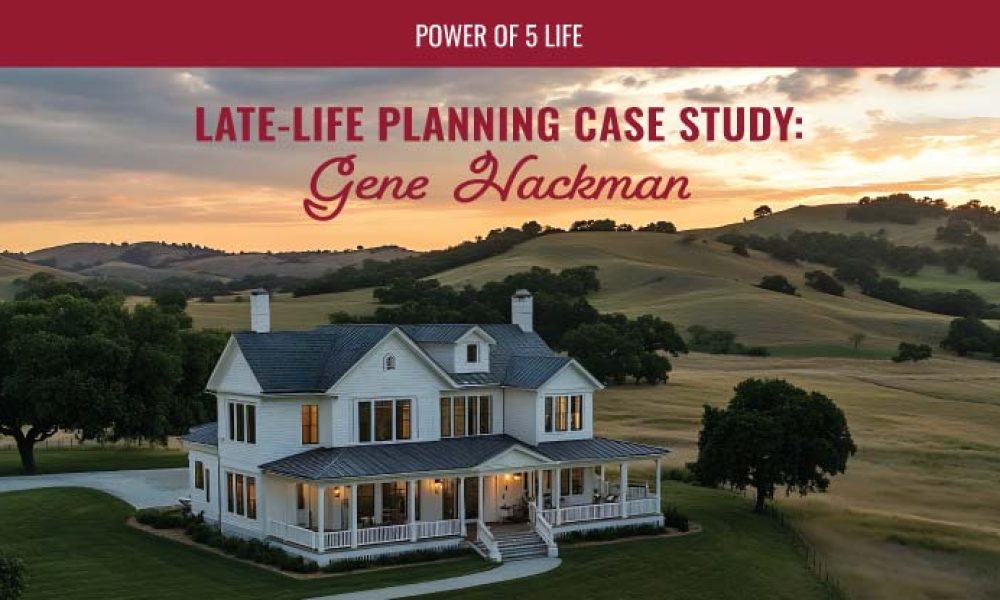
Hackman and his wife lived in a large, isolated home. The emotional attachment to a family home is powerful, but that same home often becomes a logistical, and then a medical, trap. When mobility declines, stairs become impossible, and specialized care equipment cannot be installed, the home turns into a liability. Aging in place only works if the place is proactively designed (Universal Design) to accommodate future needs.
2. Stubbornness vs. Dignity
The desire for ultimate autonomy is understandable, but it often clashes with the reality of aging. Hackman’s purported resistance to institutional help meant his wife became an overburdened, isolated caregiver. Dignity isn’t just about remaining in your home; it’s about receiving high-quality, professional care without sacrificing the well-being of your spouse. A planned, intentional move often preserves dignity better than a forced crisis move.
3. The Family Estrangement Hurdle
The JAMA article referred to the complications of family estrangement. The lack of open communication and designated decision makers turns a health event into a legal and ethical nightmare. The emotional labor of caregiving is compounded when the care network is fractured.
My Book is the Antidote.
My upcoming book is not just a moving guide; it is a dignity preservation plan. It is the roadmap for the 90 million Baby Boomers who need to understand that the late-life transition is a health event first, a logistical event second. We must learn from the tragic outcome of those who had everything but a plan.
Don’t let your next chapter be dictated by a preventable crisis. Start planning now to ensure your future, and that of your loved ones, is characterized by comfort, support, and profound dignity.
Make amends, heal family wounds and estrangements. Learn the full system for an intentional, proactive relocation in my new book, “When It’s Time to Move: Assessing the Why, Assessing the How”, which will be available on January 6, 2026.
David Bernstein, MD