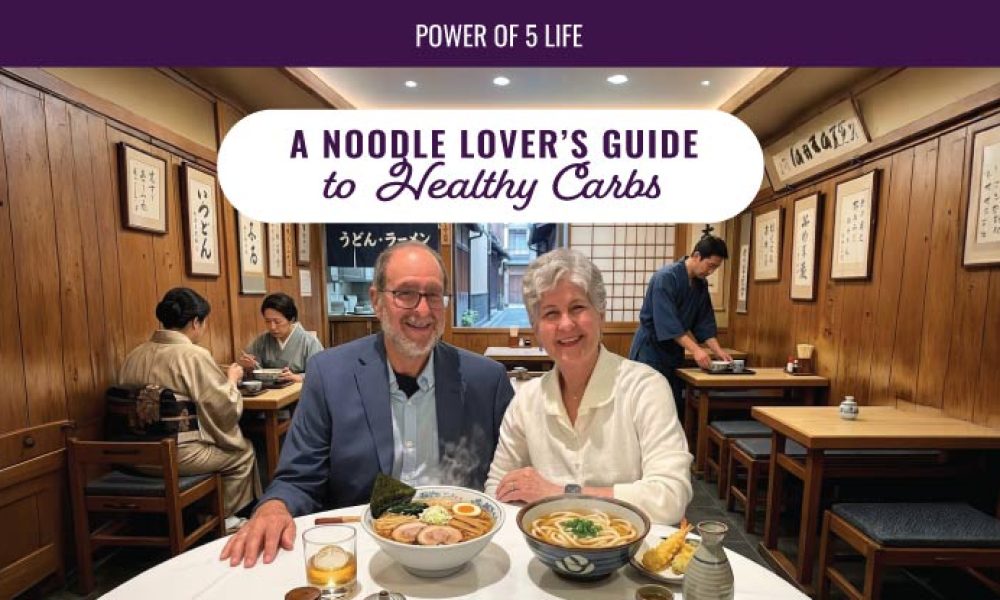
From Freezer Aisles to Far East Aisles: A Noodle Lover’s Guide to Healthy Carbs
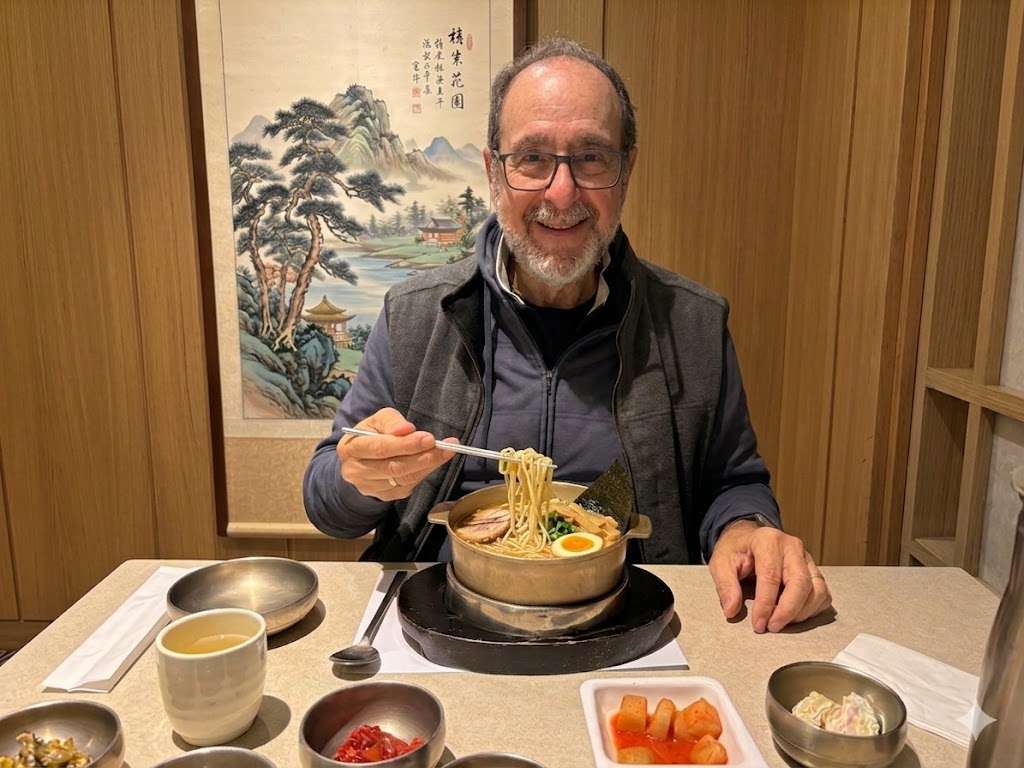
As I write this, I am currently navigating the vibrant, steam-filled streets of the Far East. The air is thick with the scent of toasted sesame and simmering broths. It’s a fitting backdrop since March is both National Frozen Food Month and National Noodle Month.
Usually, my daily routine is a disciplined parade of fresh fruits and vegetables. But while on this journey, I’ve been making some delicious exceptions. Why? Because I’m traveling with good science in my back pocket.
The Frozen Truth About Nutrition
First, let’s address the “fresh is best” snobs. There is a common misconception that the freezer aisle is strictly for ultra-processed TV dinners.
The reality: Frozen vegetables and proteins are often more nutrient-dense than the fresh produce that has spent a week in a shipping container. Because they are flash-frozen at peak ripeness, the vitamins and minerals are locked in. They are the ultimate “healthy fast food” for a busy life, and I always keep my freezer stocked for those nights when the kitchen feels too far away.
The Science of Guilt-Free Noodles
While I’m slurping my way through bowls of ramen and udon across Asia, I’m leaning into one of my favorite pieces of food science: Resistant Starch.
When certain carbohydrates (like noodles, rice, or even potatoes) are cooked and then completely cooled, their chemical structure undergoes a transformation. They become Resistant Starch (RS), and this is where the magic happens:
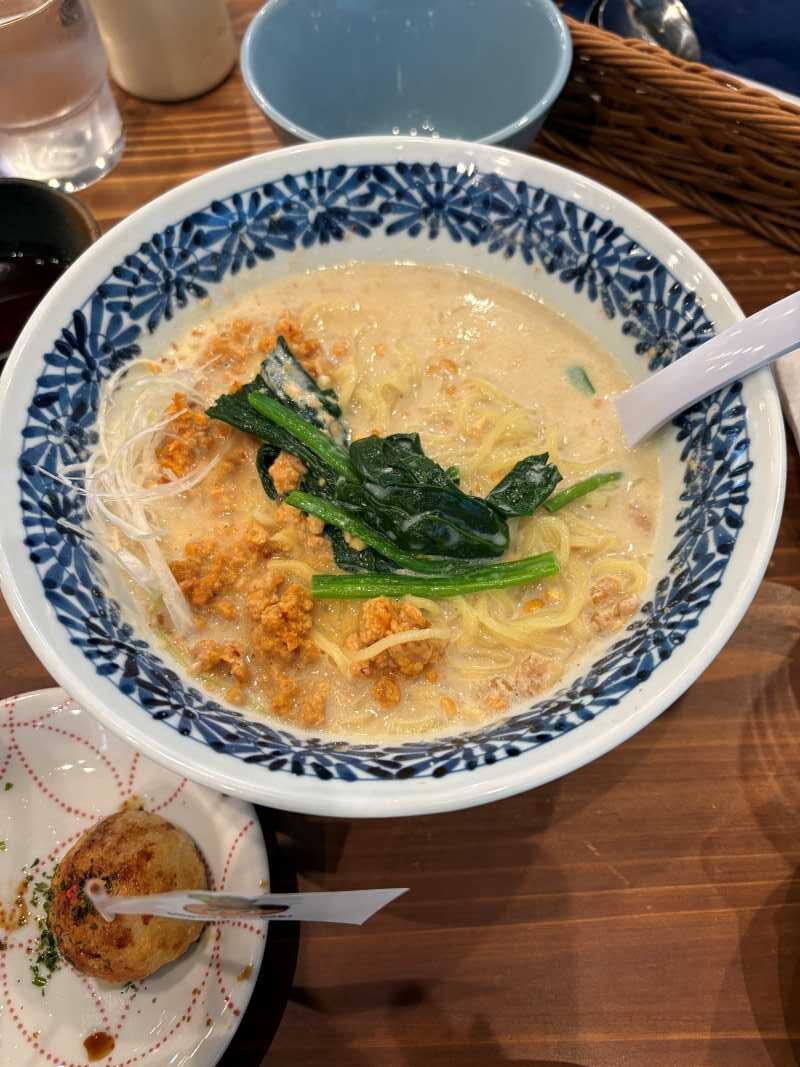
- It Acts Like Fiber: Instead of a simple carb that spikes your blood sugar, RS functions more like prebiotic fiber.
- Reduced Calorie Absorption: Because your body doesn’t fully digest RS, you don’t absorb all the calories. It’s a rare “free lunch” in the world of biology!
- Gut Health: RS travels to the large intestine, where it feeds the good bacteria in your gut microbiome.
The result? You get to enjoy your favorite comfort foods without the extreme caloric consequence or the dreaded carb crash.
More Similarities than Differences
As I travel a part of the world I have never been to before, the food is only half the story. The joy of this journey has been meeting respectful, hospitable, and kind people at every turn. It is a beautiful reminder that despite our different cultures and languages, we share a fundamental humanity. That is a sweet refrain I will carry home with me.
When Melissa and I return, we’ll be reflecting on everything we’ve learned. I’m already looking forward to watching her recreate some of the healthy noodle dishes we’ve discovered—incorporating that cook-and-cool method for maximum health benefits!
I want to hear from you: Have you incorporated a healthy dish from your trips into your own kitchen? Or perhaps you have a secret for making carbs a little more nutritious?
Share your culinary experiences with me.
To a long and healthy life,
David Bernstein, MD