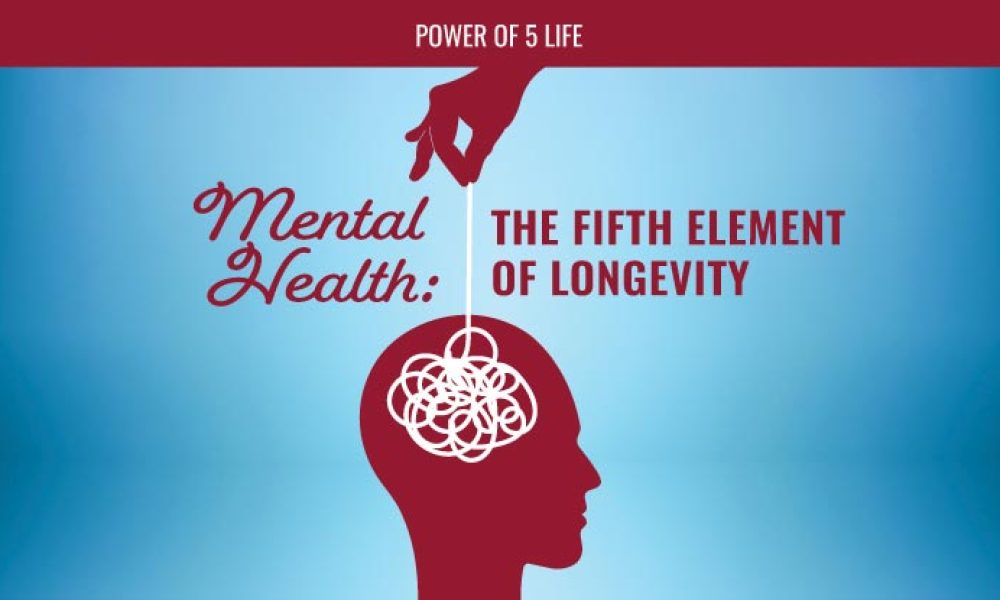
Mental Health: The Fifth Element of Longevity
For decades, mental health was a subject whispered about, if discussed at all. While the world has become more open in the last ten years, a significant shadow of taboo remains. Many still view seeking help with skepticism, fearing for their privacy or doubting the value of “just talking” to someone.
However, as we look at the 5 Elements of the Power of 5, we must recognize that stress and mental wellness are not secondary to physical health. They are the foundation. If the mind is under siege, the body cannot thrive.
Overcoming the Privacy and Price Hurdle
One of the greatest barriers to care is the fear of being on the record or the perceived high cost. It is important to normalize that mental health care has evolved.
- Telehealth Discretion: You no longer have to sit in a public waiting room. High-quality, HIPAA-compliant counseling is available from the privacy of your own home.
- The Consultant Mindset: Think of a counselor not as a doctor for the sick, but as a strategic consultant for your life. Just as a business owner hires a consultant to navigate a crisis, we hire therapists to navigate the complexities of aging, caregiving, or loss.
- Medicare & Insurance: Many are surprised to learn that Medicare and most private insurers have significantly expanded coverage for mental health services. It is an investment in your physical longevity that often pays for itself by reducing stress-related medical complications.
How to Suggest Help Without the Stigma
Suggesting counseling to a friend or a sandwich generation colleague can feel like navigating a minefield. The key is to shift from “you need help” to “you deserve support.”
- Lead with the Physical: Since we know stress is a headwind for physical health, frame it that way. “I’ve noticed you’ve been under a lot of pressure lately. I’ve been reading about how that kind of stress impacts the heart and immune system—would you ever consider talking to a specialist to help offload some of that?”
- Normalize the Struggle: Share that everyone faces seasons where their internal reserve is low.
- Offer the Resource, Not the Diagnosis: Instead of saying someone is depressed, point to the burden they are carrying. “You are carrying a lot with your parents and your job right now. Even the strongest engine needs a tune-up.”
The Clinical Reality
In my 40 years of practice, I have seen that patients who prioritize their mental health recover faster from surgery, manage chronic pain more effectively, and maintain higher cognitive function as they age. Mental health isn’t a taboo luxury; it is a clinical necessity.
Call to Action
Have you or someone you love found a way to bridge the gap and seek support? Sharing your story can be the catalyst that gives someone else the permission they need to do the same. Let’s start the conversation, respond to this blog.
As we navigate Mental Health Month, remember that the Stress element in the Power of 5 requires active management. If you are struggling to find a starting point, my book “The Power of 5” offers strategies to build resilience and find your calm.
To a Long and Healthy Life,
David Bernstein, MD